


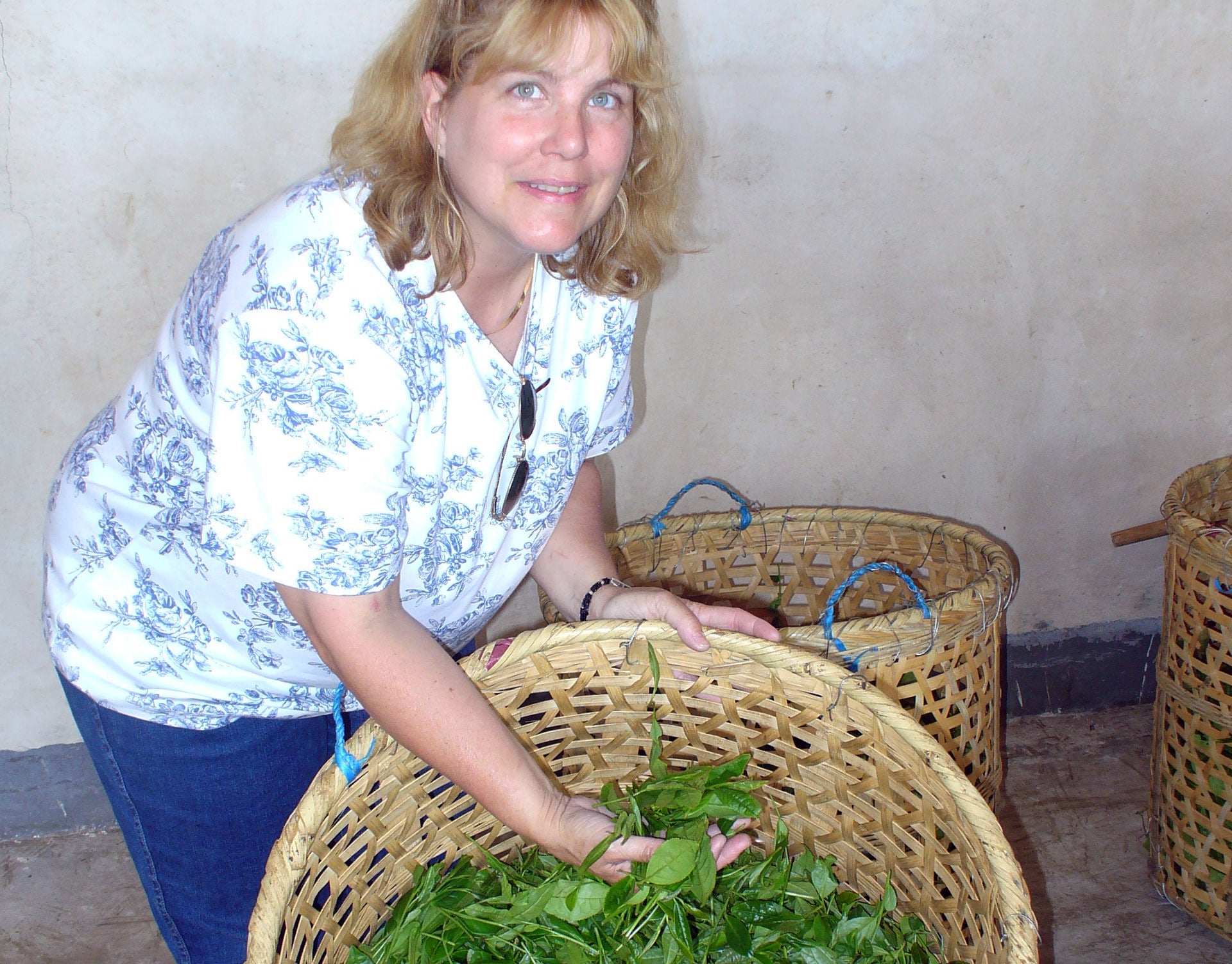
Infused with Health: Exploring the Benefits of Whole-Leaf Tea
Delve into the wellness potential of whole-leaf teas in this interactive lecture. Danielle will guide you through the unique properties of black, oolong, yellow, green, white, and dark teas, addressing common questions about antioxidants, caffeine, and overall health impact. Participants will enjoy tastings of specialty whole-leaf teas, learning to appreciate both their flavors and their wellness qualities. Gain practical insights and tasting experience to make tea a mindful, healthful part of your daily routine.
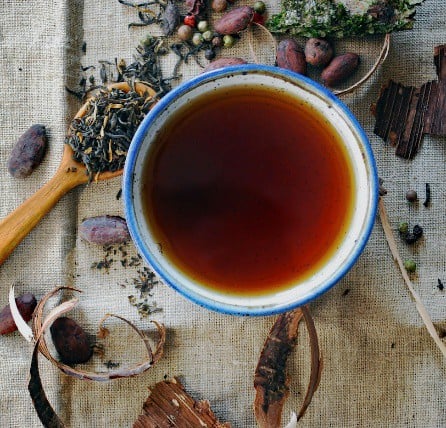
Beginners’ Guide to Herbal Infusions
Step into the aromatic world of herbal infusions and discover how plants can nourish both body and mind. In this lecture, you’ll learn the difference between traditional teas and herbal blends, explore the historical and cultural significance of healing herbs, and uncover the unique benefits each plant offers. Guided by Danielle, you will identify which parts of plants—leaves, flowers, roots, or seeds—are best for brewing, learn how to craft your own herbal blends for flavor, wellness, or relaxation, and master preparation techniques to extract maximum taste and benefits from your herbs. Throughout the session, you’ll sample four thoughtfully selected herbal infusions, each highlighting unique flavors and aromas. Whether you’re new to herbal beverages or seeking to deepen your knowledge, this lecture offers a hands-on introduction to creating, tasting, and appreciating herbal infusions in a mindful and flavorful way.
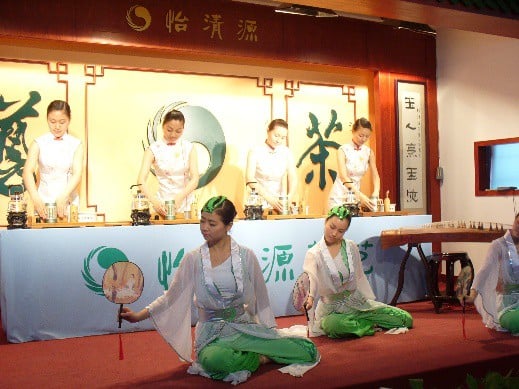
Harmony in a Cup: The Art of Chinese and Japanese Tea Ceremonies
This engaging lecture explores the practice of tea ceremonies in China and Japan. Participants will examine how, from its early discovery, tea evolved into a refined cultural ritual reflecting values such as harmony, respect, purity, and tranquility.
The unique types of teas produced in both countries will be discussed, highlighting their distinctive profiles: Japanese teas are primarily green teas with fresh, grassy, and slightly sweet flavors, and steamed to preserve their bright color and vegetal taste. Chinese teas include all major categories (white, yellow, green, oolong, black and dark), typically pan-fired to create toastier flavors and known for their wide range of floral, nutty, fruity, and earthy notes.
Ultimately, participants will leave with a deeper appreciation of how tea serves not only as a beverage, but as a living expression of culture, philosophy, and human connection in both traditions.